Tree removal laws and permits in Ontario
By Diego Fischer · Updated 2026-07-29
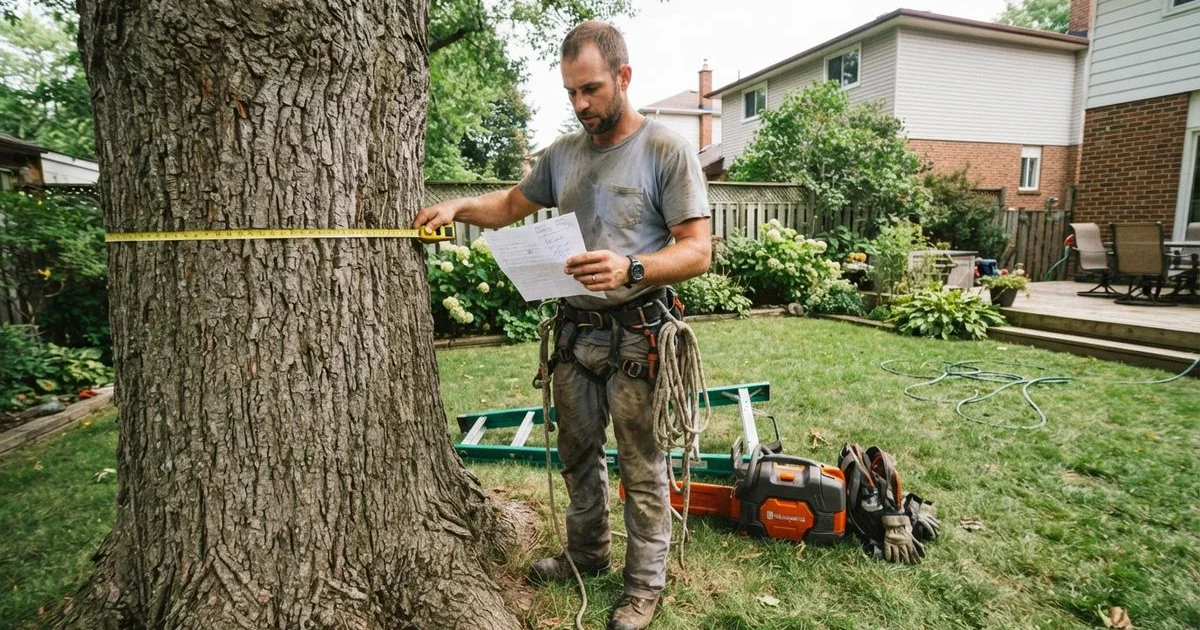
Ontario municipalities take tree removal seriously, and the rules vary enough from city to city that assuming “it’s my tree, I can do what I want” is a common and sometimes costly mistake. This guide covers the general shape of the rules; always confirm the specifics with your municipality before cutting anything down. This is general information, not legal advice.
Why municipalities regulate tree removal
Mature trees provide shade, stormwater absorption, and neighbourhood character that municipalities have an interest in protecting, especially in urban areas where tree canopy has shrunk over decades of development. Most Ontario municipalities with a tree bylaw regulate removal based on trunk diameter, meaning a young or small tree may be exempt while anything above a set size (commonly in the 20 to 30 centimetre range, measured at chest height) requires a permit.
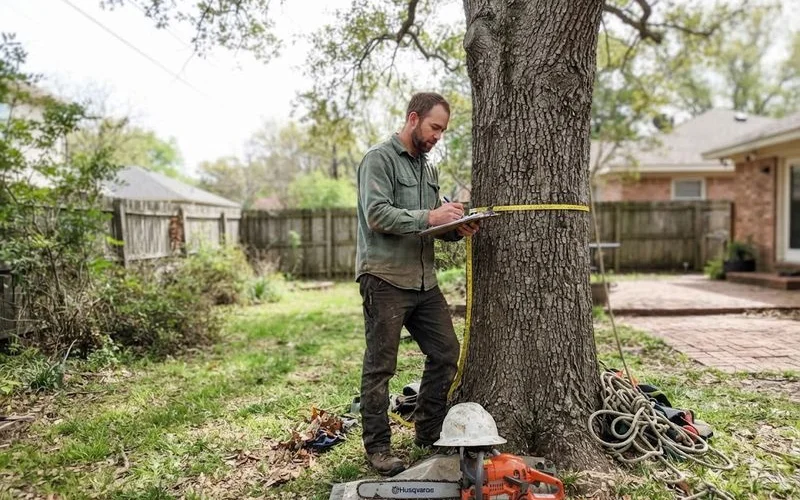
What typically triggers a permit requirement
| Situation | Permit likely required? |
|---|---|
| Small ornamental or young tree | Often exempt |
| Mature tree above the bylaw’s diameter threshold | Usually yes |
| Dead, dying, or clearly hazardous tree | Often exempt, but confirm and document |
| Tree on a ravine, shoreline, or environmentally protected area | Almost always yes, with extra review |
| Tree removal tied to new construction or a building permit | Usually reviewed as part of that permit |
Rules differ by municipality, and some cities regulate trees on private property much more tightly than others, particularly where ravine or environmentally sensitive land is involved. Toronto, for example, has its own private tree bylaw layered on top of provincial rules. Don’t assume a bylaw from one municipality applies in another.
What happens without a permit
Removing a regulated tree without a permit can mean a fine, and in many municipalities, an order to plant one or more replacement trees at your own cost. Enforcement varies, but the risk is real enough that it’s worth a phone call to your municipal urban forestry or planning department before any significant tree comes down, especially if a neighbour could see or report the work.
Trees near a property line
A tree with a trunk that straddles or sits close to a property line adds another layer to the permit question, since ownership and removal rights for a boundary tree are often shared between neighbours under Ontario law, meaning one owner generally can’t remove it unilaterally without agreement. Trimming branches that overhang onto your side is usually more straightforward than removing the tree entirely, but even trimming has limits if it would damage the tree’s health. If a boundary tree is causing a genuine dispute, a conversation with your neighbour, ideally documented in writing once you agree on a plan, avoids a bigger problem later.
Working with a contractor who knows the local rules
A tree service that regularly works in your specific municipality will generally know its bylaw thresholds and application process without needing to look it up, which can meaningfully shorten the time between deciding a tree needs to come down and actually getting the permit approved. Ask directly about their experience with your city’s process during the quote, since a contractor unfamiliar with local rules may either miss a required permit entirely or overestimate how long approval will take.
The exemption for hazardous trees
Most bylaws include some path for removing a genuinely dangerous tree, whether that means an emergency exemption or an expedited review, since public safety takes priority over canopy preservation. If a tree is leaning, has visible rot, or dropped large limbs recently, document the condition with photos and consider a written assessment from a qualified arborist. That documentation matters if a municipality later asks why a protected tree came down.
Before you book removal
Ask your contractor directly whether the tree in question needs a permit in your municipality, and don’t take “probably fine” as an answer if it’s a large or clearly mature tree. A reputable tree service should be familiar with local rules and flag this before quoting the job, not after the truck shows up.
For providers experienced with permit-regulated removals in your area, the tree services category lists local businesses with their track record. Every listing on the Ontario landscaper directory is scored using the same methodology, which weighs completed work and communication alongside customer feedback, so you can compare tree services against any other category with the same yardstick.
Common questions
- Do I always need a permit to remove a tree on my own property?
- Not always. Many municipalities only regulate trees above a certain trunk diameter, often measured at chest height. A small ornamental tree may not need a permit, while a large mature tree usually does. Check your municipal bylaw before assuming either way.
- What happens if I remove a protected tree without a permit?
- Fines can be significant, and some municipalities require replacement planting on top of the penalty. This is general information, not legal advice; confirm the specific rules and penalties with your local municipality before doing any tree work.
- Are dead or hazardous trees exempt from permit rules?
- Many bylaws include an exemption for dead, dying, or clearly hazardous trees, but you may still need to document the condition or notify the municipality. Don't assume an exemption applies without checking.
- Does a permit rule apply if a contractor does the removal, not me?
- Yes. The permit obligation generally runs with the property, not the person doing the cutting. Hiring a contractor doesn't remove your responsibility to confirm a permit isn't needed.
Related on this site
- Browse tree services providers
- Best tree services in Ontario →
- Tree removal and trimming: what a professional visit involves
- Warning signs a tree on your property needs to come down
- Who is liable for snow and ice on your property in Ontario
- Do you need a licensed and insured landscaper in Ontario
- All guides →