Eco-Friendly & Organic Practices in Ontario
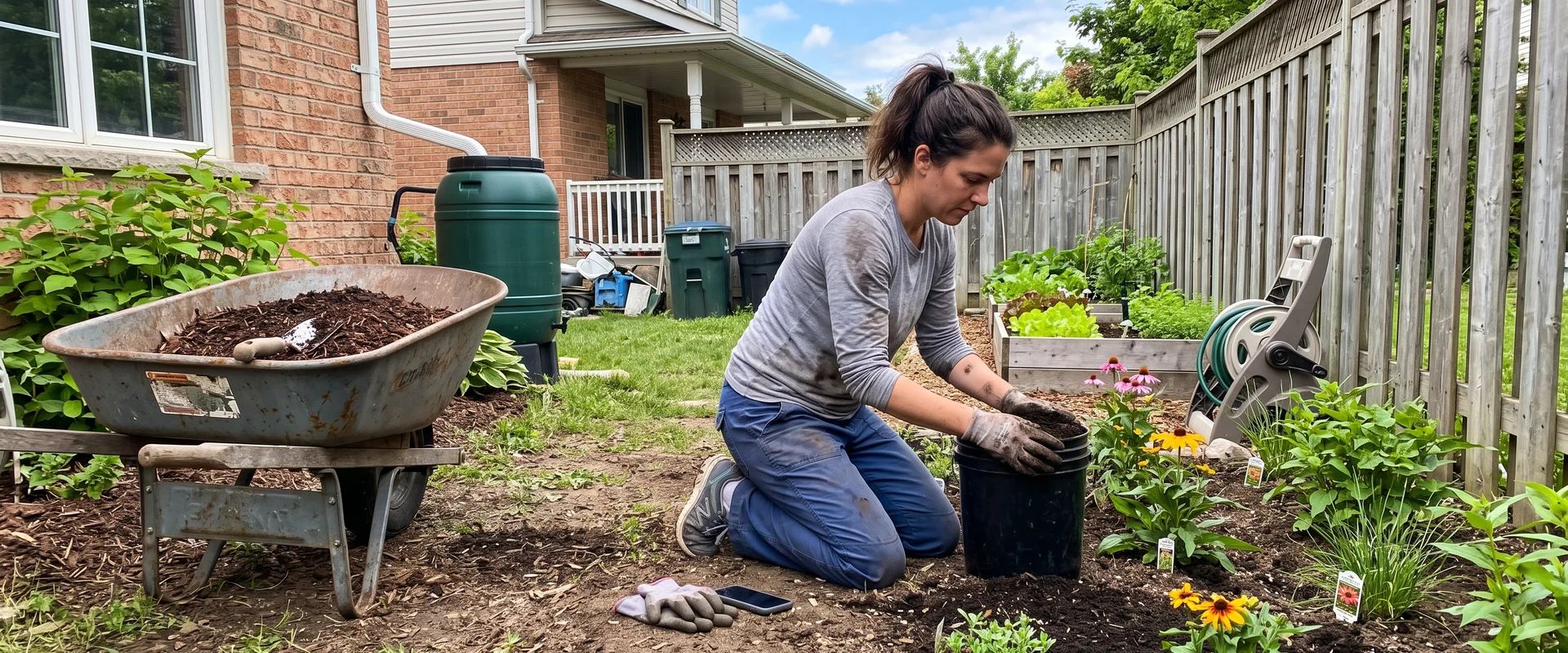
Eco-friendly and organic landscaping in Barrie covers everything from chemical-free lawn care and compost-based soil building to native plant design, rain gardens, and permeable hardscaping that reduces runoff into Kempenfelt Bay and Lake Simcoe's watershed. Instead of synthetic fertilizers and broad-spectrum pesticides, these crews rely on organic amendments, overseeding, aeration, and integrated pest management to keep lawns and beds healthy. Many also design with drought-tolerant and native Ontario species so yards need less water and less ongoing input once established.
What to look for in an organic landscaper
Ask what products they actually use (not just "eco-friendly" on a brochure), whether they're certified for organic or reduced-pesticide programs, and how they handle weed control without synthetic herbicides. A good crew will explain soil testing, compost tea or topdressing schedules, and realistic timelines: organic lawns often take one to two full seasons to look as tight as a chemically treated one, but they hold up better long-term. Ask about equipment too. Electric or low-emission mowers and trimmers are a good sign of a company that takes the "eco" part seriously rather than as marketing.
How our scoring works
We rank the 10 businesses in this category on real signals: review consistency, responsiveness, and how clearly they communicate their organic methods and pricing. See the full breakdown of criteria on our methodology page, or jump straight to the ranked list of Barrie's best landscapers to compare this category against full-service and design-build options.
Find eco-friendly & organic practices for your project
No cost, no commitment. Describe what you need and we will connect you with qualified providers in your area.
All eco-friendly & organic practices, ranked by score and relevance
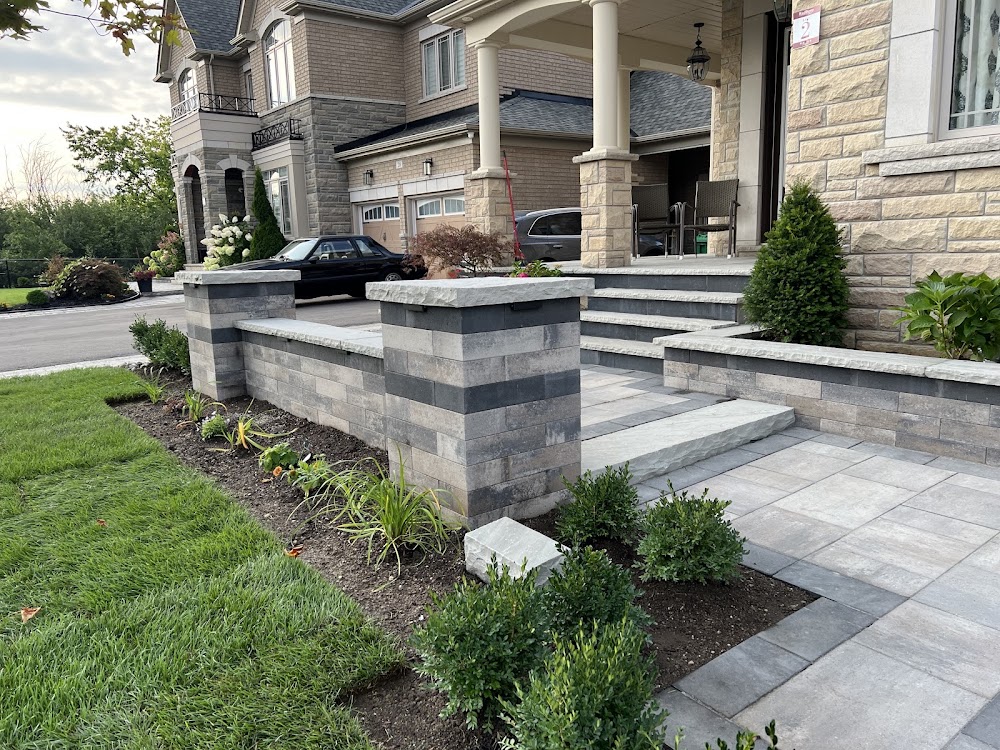
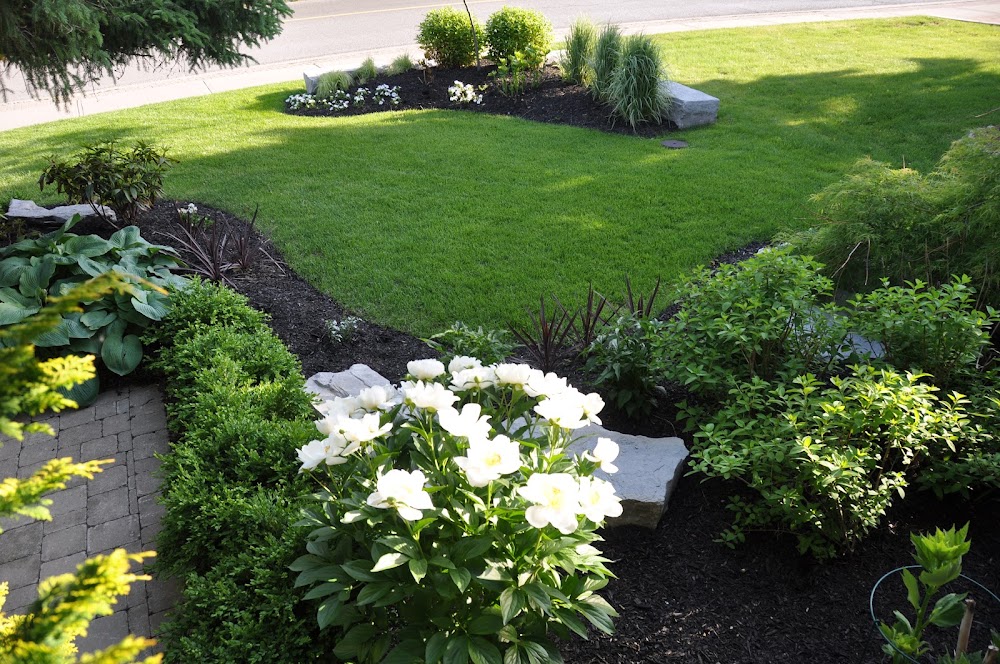
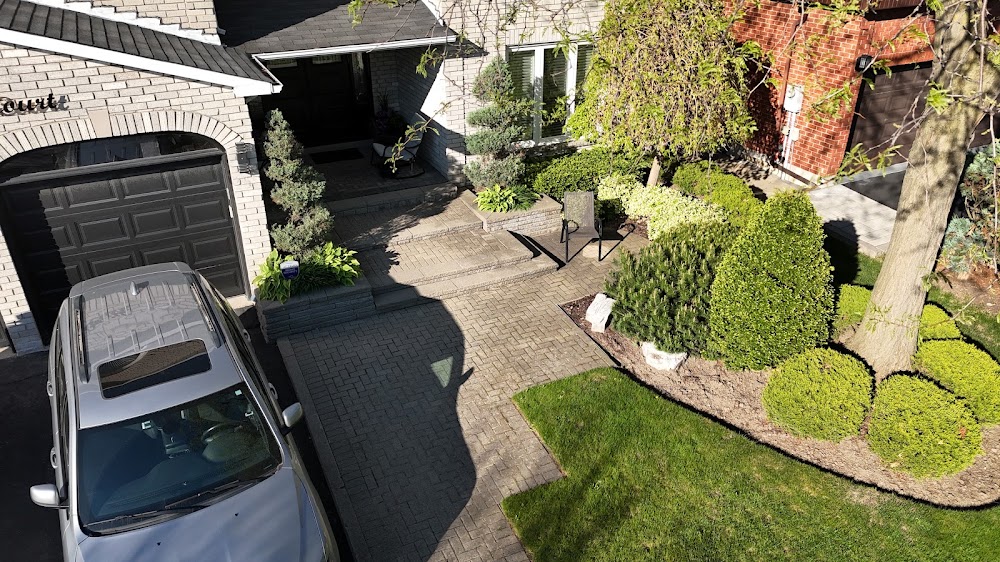
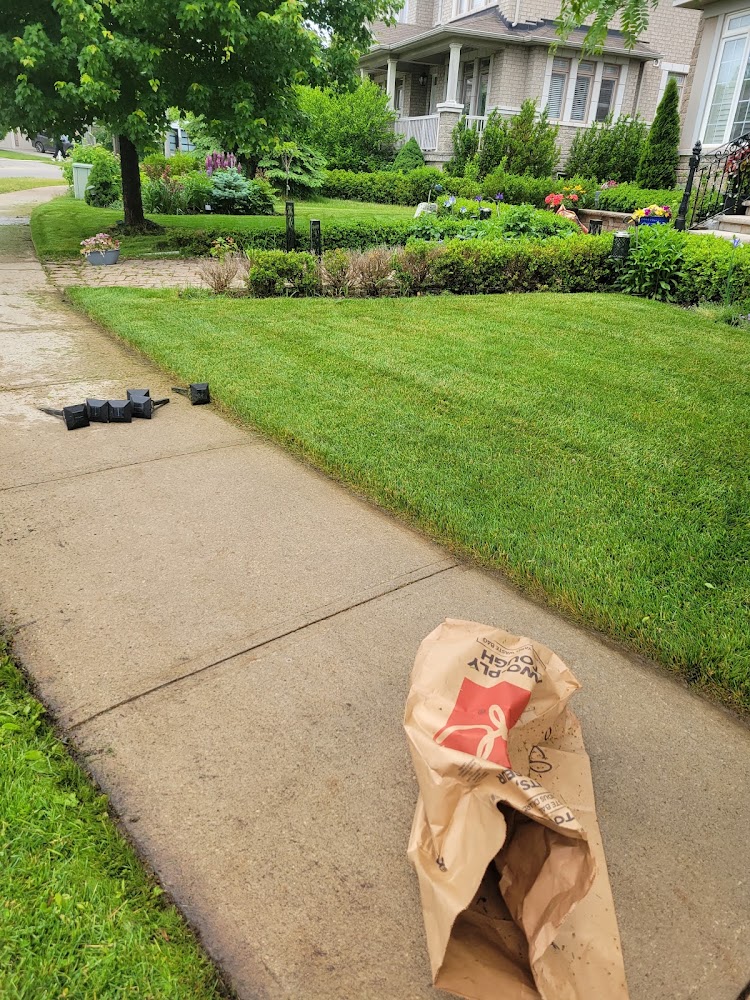
We found 243 businesses offering eco-friendly & organic practices; 239 met the criteria for the scored directory. The order weighs each business's overall score by how much of its reviewed work is eco-friendly & organic practices, so a lower-scored specialist can rank above a higher-scored generalist. Filter and sort below, or open the full map view.

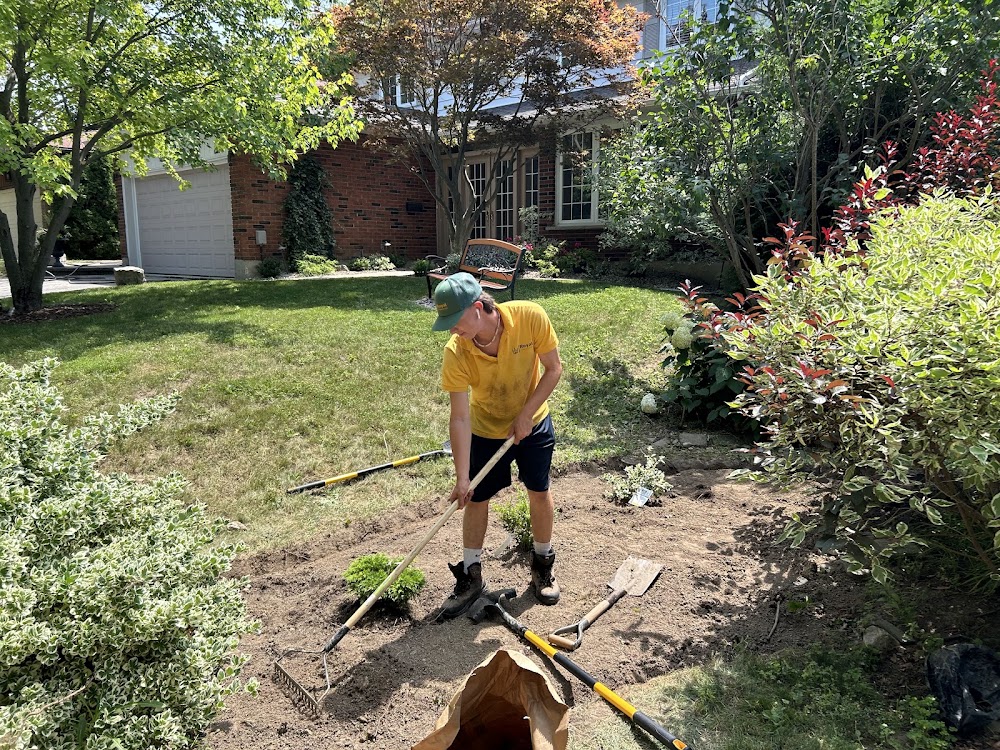
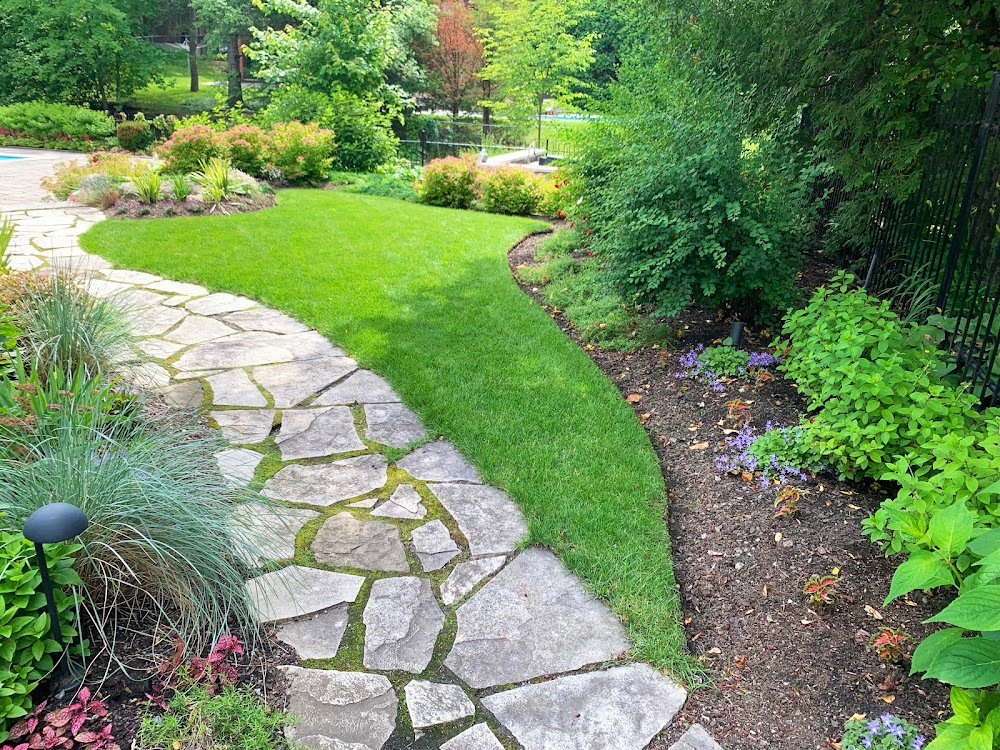
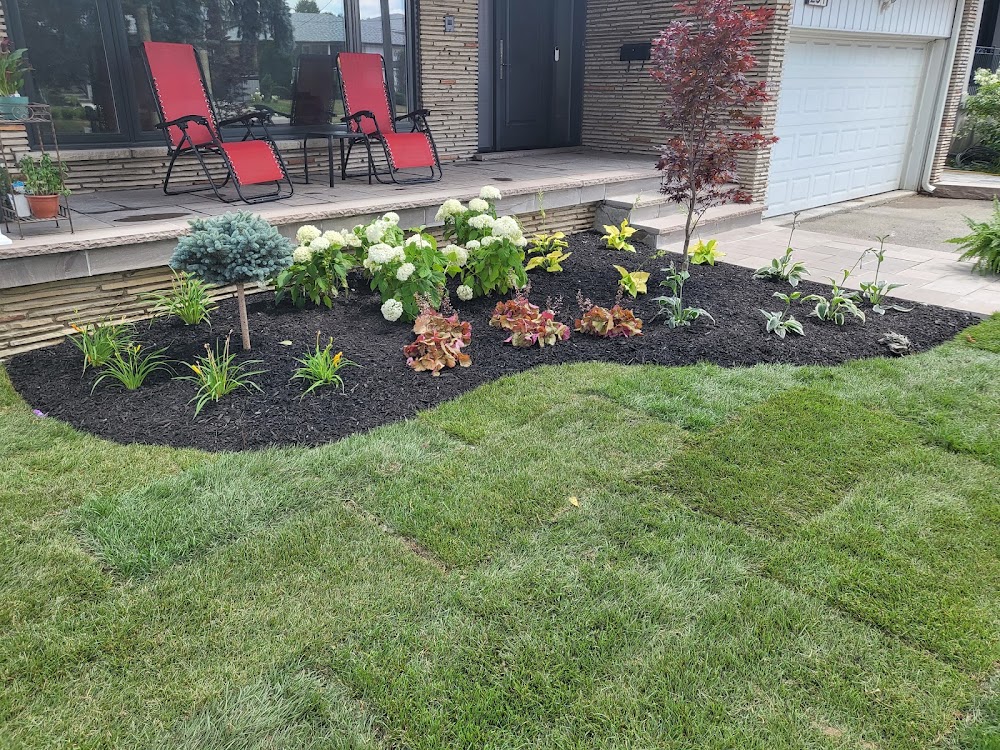
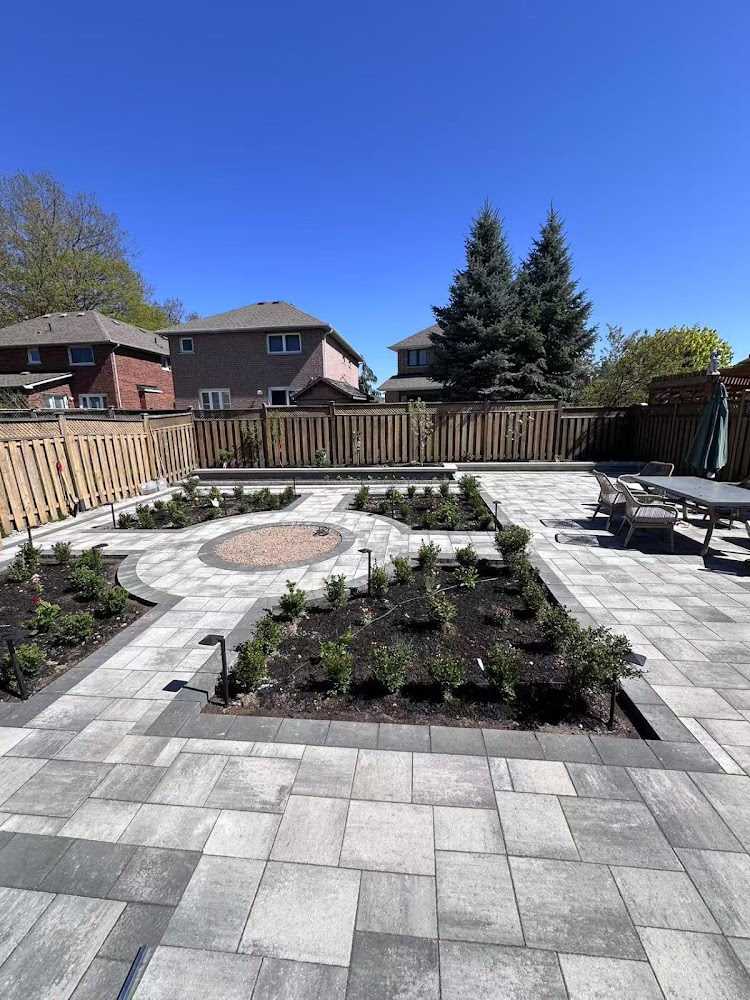
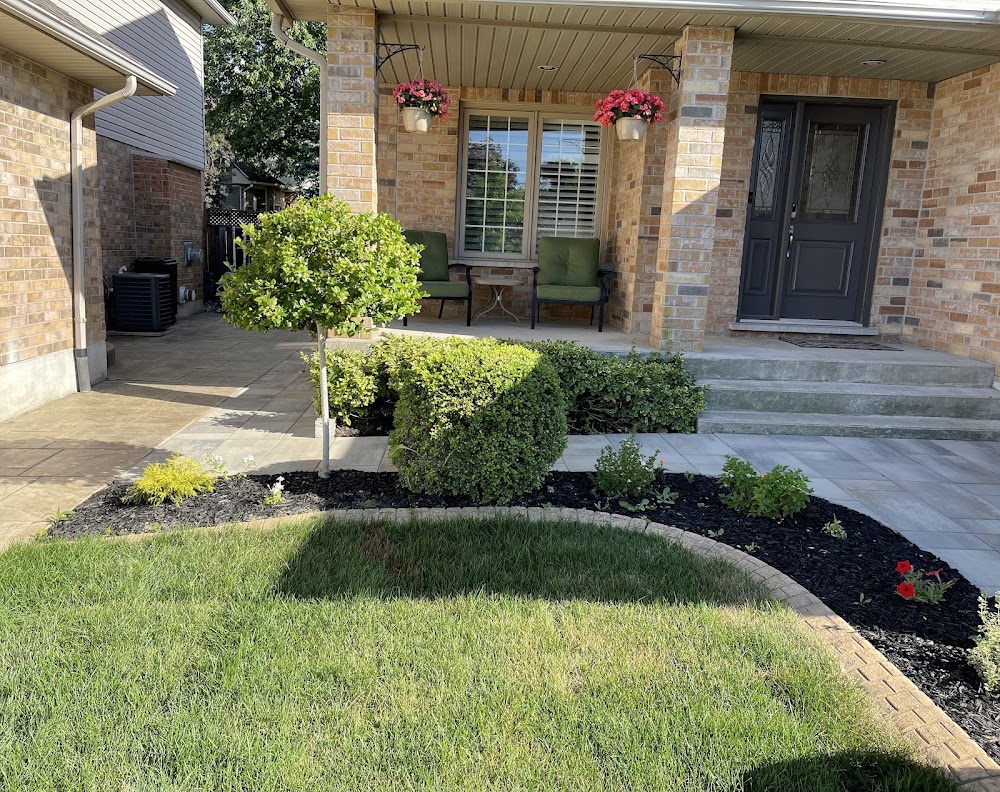
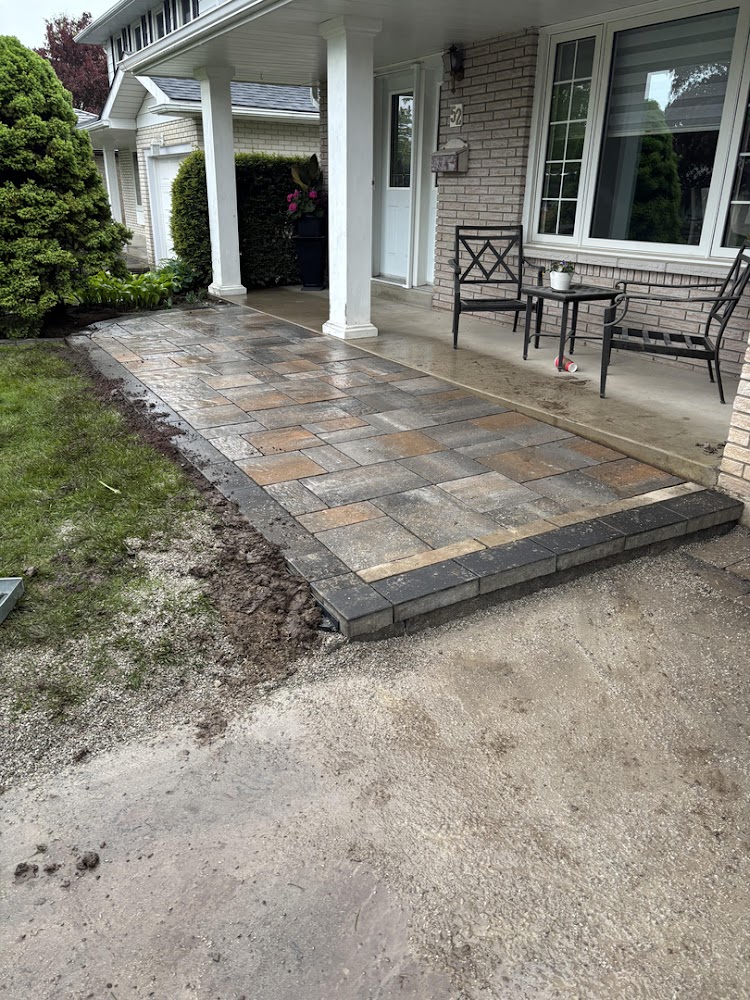
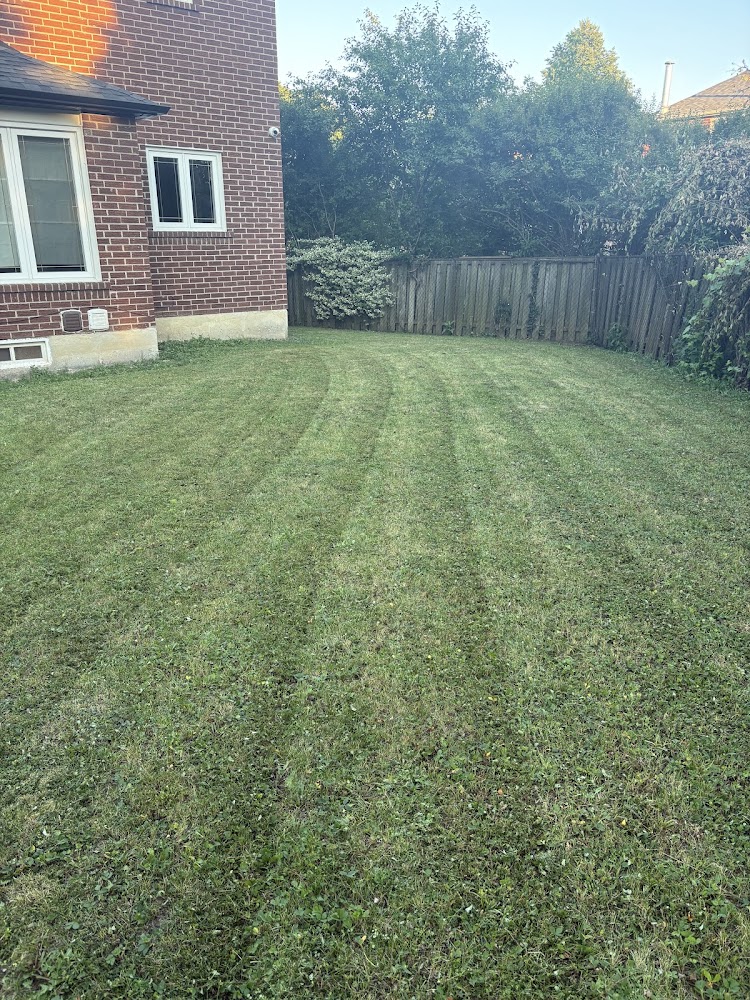
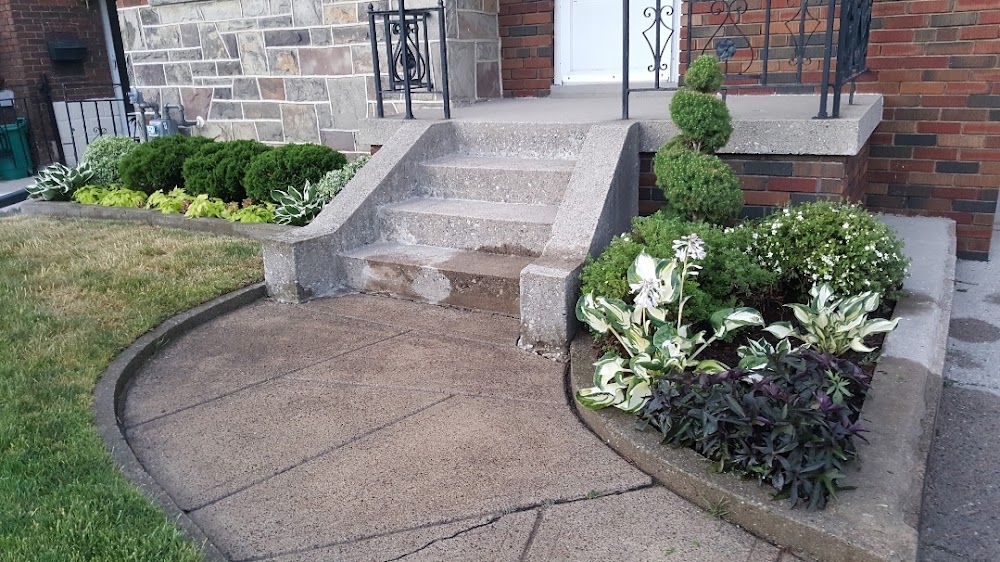


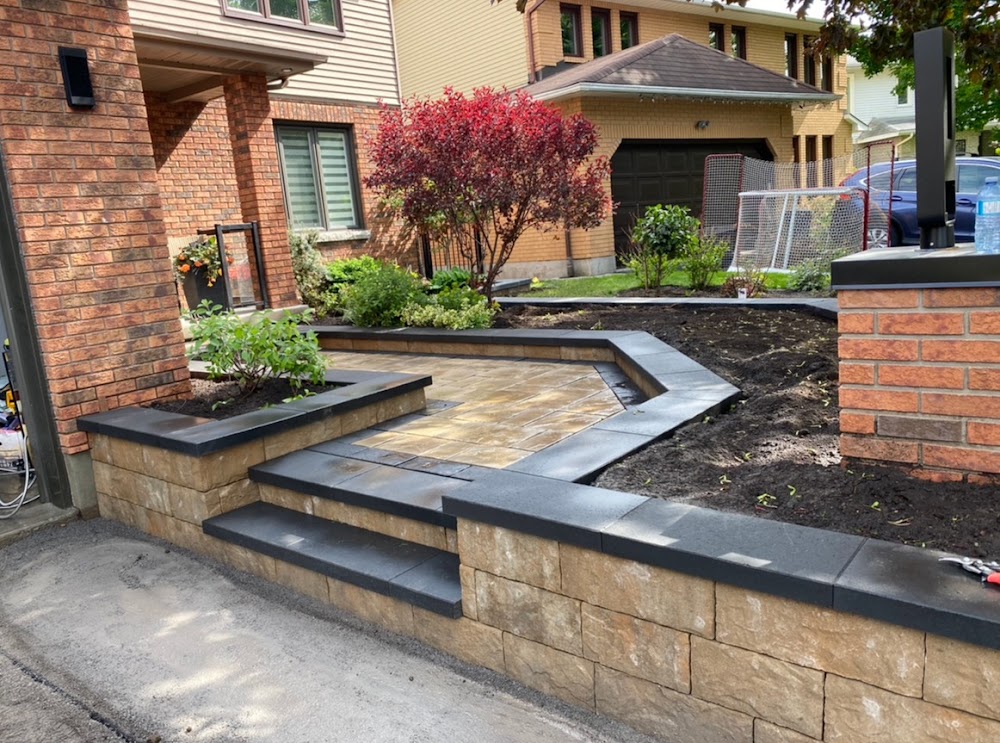
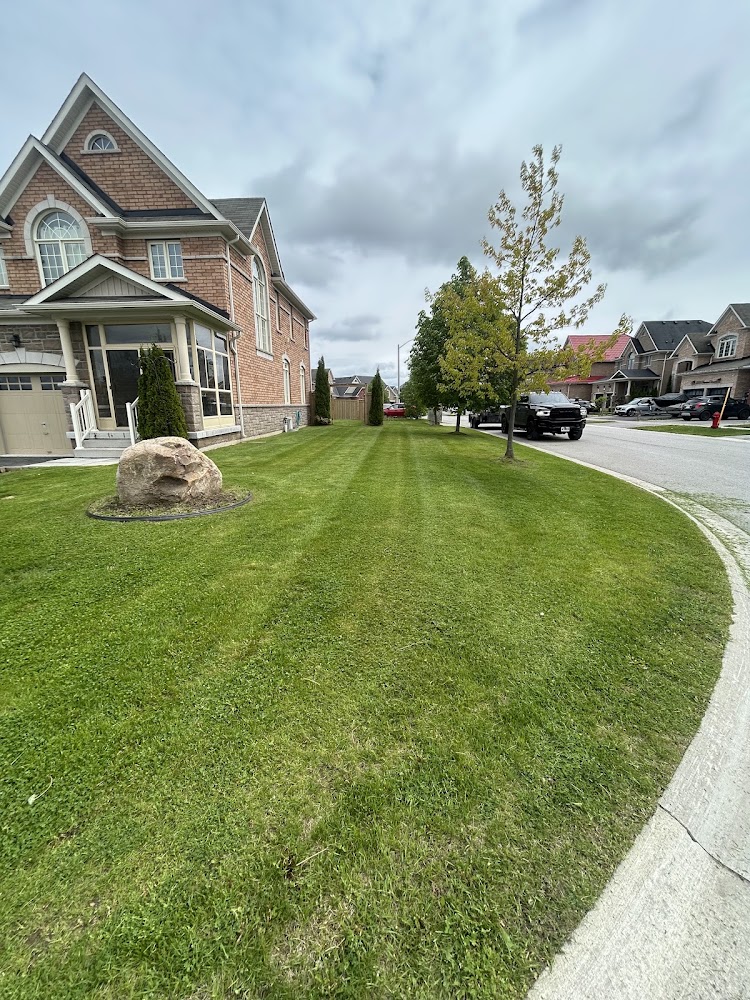
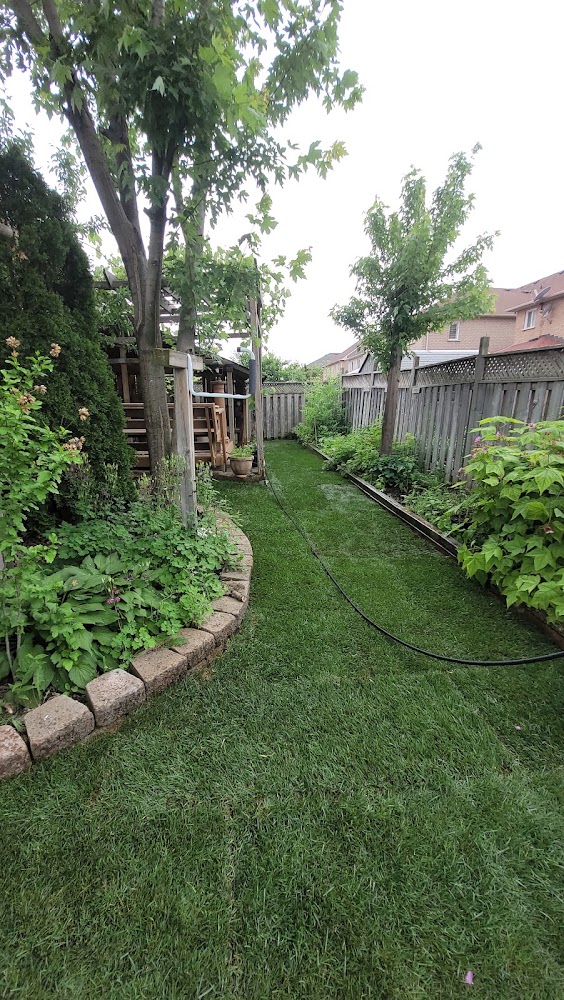
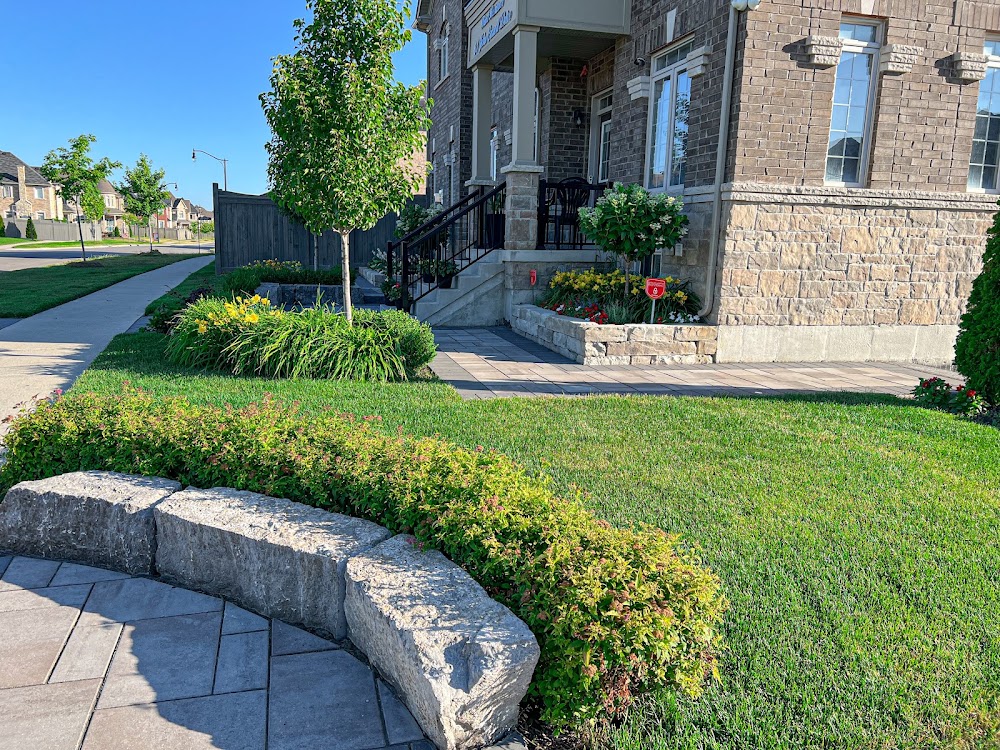
When you submit an enquiry through our contact forms, we may share it with partner providers to perform the work, and we may receive a referral fee. Our rankings and scores are based solely on our published methodology and are never influenced by referral fees.
Common questions about eco-friendly & organic practices
- How much does organic lawn care cost in Barrie compared to conventional treatment?
- Expect to pay somewhat more per visit than a standard synthetic program, since organic fertilizers and compost-based products cost more and often require more frequent applications. Many Barrie companies price organic lawn care packages in a similar range to premium conventional plans once you factor in the extra visits needed for aeration, overseeding, and topdressing.
- How often does an organic lawn need service?
- Most programs run four to six visits per growing season (spring through fall), plus a fall aeration and overseeding. Because organic products build soil health gradually rather than forcing quick green-up, consistency matters more than with synthetic programs where you can skip a round without much visible harm.
- What should I expect in the first year of switching to organic lawn care?
- Some thinning or weed pressure is normal in year one as the lawn transitions off synthetic inputs and the soil biology rebuilds. A reputable company will walk you through this timeline upfront instead of promising instant results. Improvement is usually clear by the second season if the program is followed consistently.
- How can I judge the quality of an eco-friendly landscaper before hiring them?
- Ask for specifics on what's in their products, how they handle grubs or broadleaf weeds organically, and whether they can show before-and-after results from other Barrie properties. Vague answers or generic 'green' language without detail are a red flag.
Guides to choosing eco-friendly & organic practices
- Is eco-friendly and organic lawn care worth it in Ontario
What organic and eco-friendly lawn care actually involves in Ontario, how it compares to conventional treatment, and whether it's worth the switch.