Is eco-friendly and organic lawn care worth it in Ontario
By Diego Fischer · Updated 2026-07-13
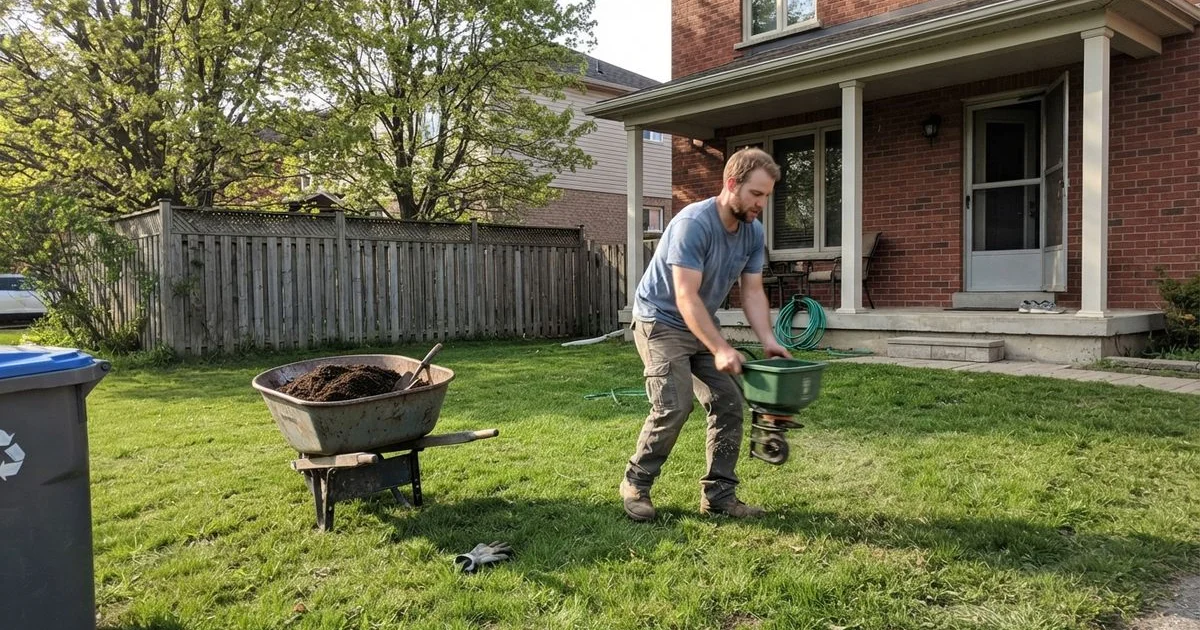
Ontario restricts cosmetic pesticide use on lawns, which has pushed more homeowners toward organic and eco-friendly lawn care whether or not they went looking for it. This guide covers what that actually means in practice and whether it’s the right call for your yard.
What “eco-friendly” or “organic” lawn care actually covers
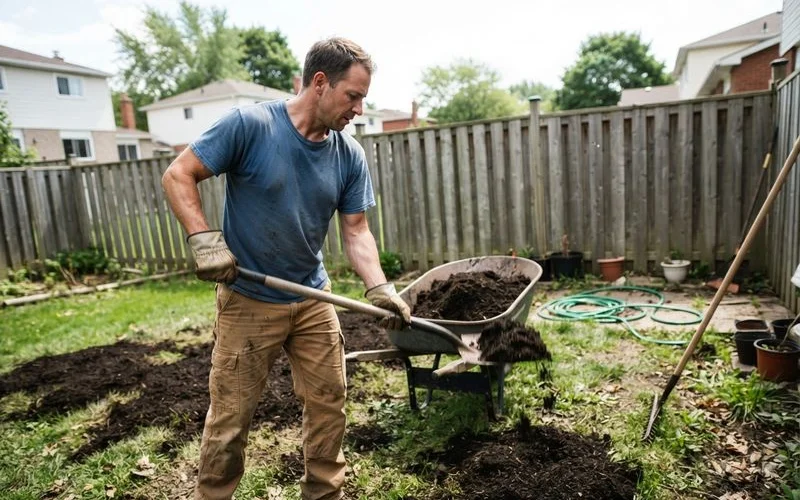
It’s less a single service and more a set of practices: organic or slow-release fertilizer instead of fast synthetic feed, compost topdressing to build soil health, overseeding to naturally crowd out weeds, and mechanical or manual weed control instead of herbicide. Some providers also adjust mowing height and watering schedules as part of the approach, since a thicker, deeper-rooted lawn resists weeds and drought better on its own.
How it compares to conventional lawn care
| Factor | Conventional | Organic/eco-friendly |
|---|---|---|
| Speed of visible results | Faster, especially for weeds | Slower, builds over a season |
| Ongoing cost | Often lower per application | Often somewhat higher per application |
| Approach | Synthetic fertilizer and herbicide | Compost, overseeding, organic feed |
| Best suited for | Fast fixes, severe weed problems | Long-term lawn health, pesticide-sensitive households |
Neither approach is universally “better.” Conventional treatment can resolve a bad weed problem faster; organic care tends to produce a more resilient lawn over a couple of seasons but asks for more patience up front.
Why some homeowners choose it anyway
Households with young kids, pets that spend a lot of time on the lawn, or a garden that borders a vegetable patch often lean organic specifically to avoid synthetic pesticide exposure on the areas people and animals actually use. Others choose it for the soil health angle: building organic matter in the soil tends to make a lawn more drought-tolerant over time, which matters more each summer as watering restrictions become more common in parts of Ontario.
There’s also a practical middle ground many homeowners land on: organic fertilizing and overseeding as the everyday approach, with a targeted, minimal intervention reserved for a genuine problem like a bad grub infestation. This hybrid approach keeps most of the lawn on an organic program while accepting that an occasional, specific issue might call for a more direct fix rather than an extended organic-only wait.
What to ask a provider offering eco-friendly service
Ask exactly what products and methods they use, not just whether they call themselves “organic,” since the term isn’t tightly regulated across every provider. Ask how long it typically takes to see results on a lawn in your starting condition, and whether they combine organic fertilizing with mechanical weed control or expect you to accept more visible weeds during the transition period.
Ask, too, how they’d handle a specific problem if one shows up mid-season, like a patch of grubs or a fungal issue, since a provider’s willingness to have a straightforward conversation about a targeted fix versus a strict organic-only stance tells you a lot about whether their approach is flexible enough for your actual yard, not just their marketing.
Is it worth it for your yard
If your lawn is in reasonably good shape and you’re mainly maintaining it, organic care is a solid, low-drama choice that builds soil health over time. If you’re dealing with a severe weed infestation or bare patches that need a fast fix before an event or a sale, a conventional treatment (or a hybrid approach) may get you there faster, with organic care taking over for the long-term maintenance afterward.
There’s no wrong answer here, and switching approaches partway through isn’t unusual. Plenty of homeowners start conventional to get a struggling lawn back to a reasonable baseline, then transition to organic maintenance once the hard part is done. What matters more than picking a side is being clear with your provider about which phase you’re actually in.
If you’re still working out what your new property needs beyond the lawn itself, our guide for first-time homeowners covers where to start.
To compare providers offering organic and eco-friendly lawn care in your area, see the eco-friendly and organic practices category, scored using our methodology. The Ontario landscaper directory covers conventional lawn care providers too if you want to weigh both approaches side by side.
Common questions
- Is organic lawn care more expensive than conventional treatment?
- Often somewhat, since organic products and methods (compost topdressing, corn gluten for weed suppression, overseeding for density) tend to cost more per application than standard synthetic fertilizer and herbicide. The gap has narrowed as more providers offer both.
- Does organic lawn care work as well as conventional treatment?
- It can, but results usually take longer to show and depend more on consistent practice: proper mowing height, overseeding, and soil health over a season or two rather than a single fast fix.
- Is cosmetic pesticide use restricted in Ontario?
- Ontario restricts cosmetic use of many pesticides on lawns and gardens, with some exceptions. This is general information, not legal advice; ask any lawn care provider what products they use and confirm current rules if it matters to you.
- Are eco-friendly lawn care methods safer for pets and kids?
- Generally, avoiding synthetic pesticide and herbicide application reduces one source of exposure on the lawn itself, which is why many households with young kids or pets lean toward organic or reduced-input approaches. It's still worth asking your provider exactly what products they do use.