Landscaping for first-time homeowners: where to start
By Diego Fischer · Updated 2026-06-03
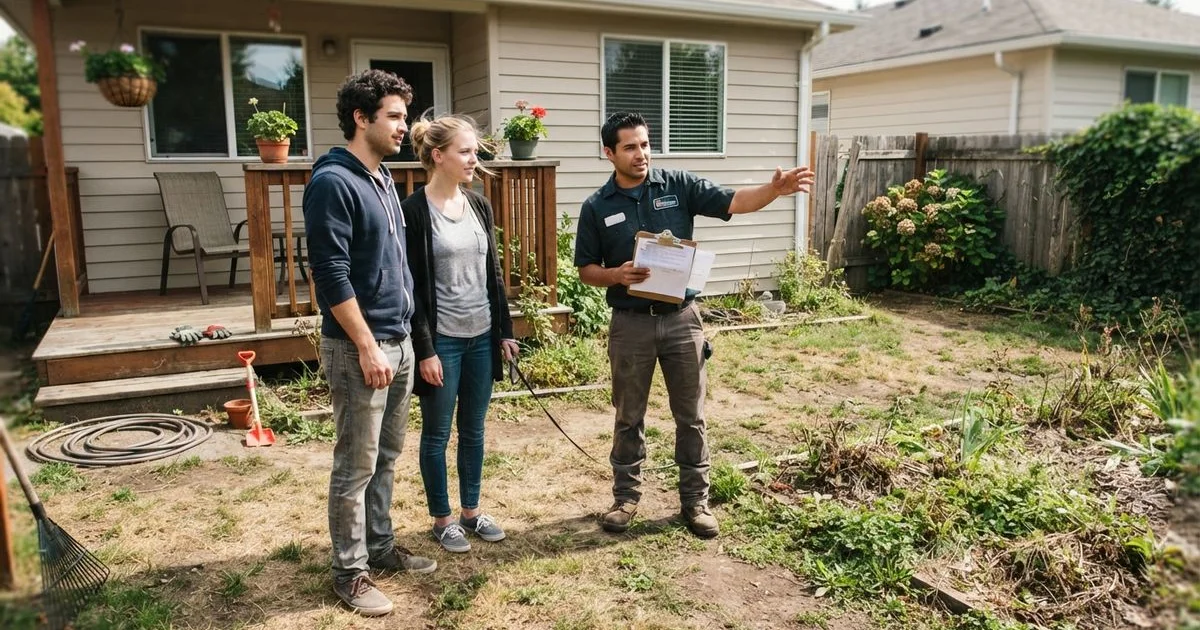
A first house often comes with a yard that’s a mystery: you don’t know what’s planted, how the drainage behaves, or what a “normal” summer looks like for that specific property. Here’s a sensible order of operations rather than tackling everything at once.
Give it a season before making big changes
It’s tempting to redo everything in the first few weeks, but a yard you haven’t seen through a full season can surprise you. A patch that looks dead in early spring might just be dormant, and a spot that seems perfect for a garden bed might turn out to flood after heavy rain. Watching how the property behaves across a season before committing to major changes saves money and second-guessing later.
Talking to the previous owner, if you have any contact, or a longtime neighbour can also fill in gaps a single season of observation won’t catch, like how a corner of the yard handles a particularly wet spring or whether a specific tree has a history of dropping large limbs. This kind of local knowledge is easy to miss otherwise and can save you from repeating a problem the previous owner already solved and forgot to mention.
Start with basic maintenance
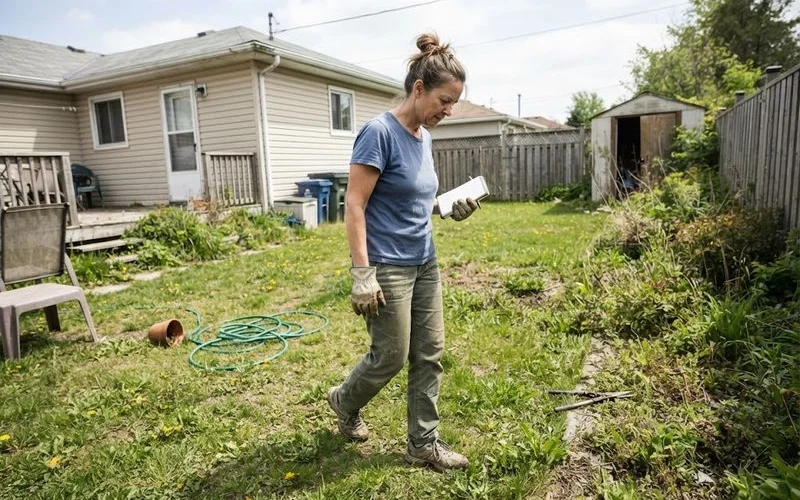
Regular mowing, keeping beds weeded, and general tidiness go a long way while you figure out the bigger picture. This is also a reasonable time to learn what’s already growing on the property; a gardening app, a knowledgeable neighbour, or a landscaper’s opinion during a quote visit can help you identify plants before deciding what stays and what goes.
It’s also worth locating a few basics early: where the main water shutoff is if you have an irrigation system, where any buried utility lines run before you dig anything, and whether the property has a sprinkler system at all, since a previous owner doesn’t always mention it during the handover. A quick call to your utility provider for a locate before any digging is a simple step that avoids a costly and entirely avoidable mistake.
Once you settle into a regular mowing routine, it’s worth deciding early whether organic and eco-friendly lawn care fits your household, since Ontario restricts cosmetic pesticide use on lawns.
| Priority | What to do | Timing |
|---|---|---|
| Basic upkeep | Mow, weed, keep tidy | Right away |
| Learn the property | Watch sun, drainage, and existing plants through a season | First year |
| Address urgent issues | Drainage problems, hazardous trees, safety concerns | As soon as identified |
| Bigger projects | Redesign, hardscaping, major planting | After you understand the yard |
Handle urgent issues right away, don’t wait
Some things shouldn’t wait for the “watch it for a season” approach: drainage that’s pushing water toward your foundation, a tree that looks structurally compromised, or anything posing a safety risk deserves attention now, not after a full year of observation. Everything cosmetic can wait; safety and structural issues generally shouldn’t.
A home inspection report from the purchase, if you kept it, is worth another look specifically for anything flagged about grading, drainage, or trees, since these items sometimes get deprioritized during a move and then forgotten entirely once you’ve settled in.
Deciding what to DIY vs hire out
Routine mowing and basic upkeep are reasonable to handle yourself if you have the time, interest, and basic equipment. Anything involving grading, drainage correction, large tree work, or structural hardscaping is worth hiring a professional for, both because the margin for costly mistakes is higher and because the equipment and expertise needed usually aren’t things a new homeowner has on hand yet.
If you’re unsure which category a task falls into, a quick conversation with a landscaper during a quote visit, even for something you’re leaning toward doing yourself, can save you from an expensive misstep on your first attempt.
Budgeting realistically
New homeowners often underestimate ongoing yard costs on top of the mortgage. Get a rough sense of typical local pricing for the maintenance you’ll actually need before committing to a full season of service, so it’s a planned expense rather than a surprise.
To compare landscaping providers across every category as you figure out what your new property needs, browse the Ontario landscaper directory, scored using our published methodology.
Common questions
- What should a first-time homeowner tackle first in a new yard?
- Basic lawn care and understanding what's already planted, before spending on anything new. It takes a full season to see what a yard actually does (sun patterns, drainage, what comes up in spring) before making bigger decisions.
- Do I need a landscaper right away for a new house?
- Not usually, unless there's an urgent issue like drainage flooding a basement or a hazardous tree. Routine lawn care can often wait until you understand the property, while urgent safety issues shouldn't.
- What's a common mistake first-time homeowners make with landscaping?
- Making big changes in the first few months based on how the yard looks at move-in, before seeing how it behaves across a full season. A patch that looks dead in March might just be dormant.
- How do I know when a task needs a professional vs DIY?
- Routine mowing and basic upkeep are reasonable to DIY if you have the time and equipment. Anything involving grading, drainage, large trees, or structural hardscaping is safer left to a professional.