Who is liable for snow and ice on your property in Ontario
By Diego Fischer · Updated 2026-07-25
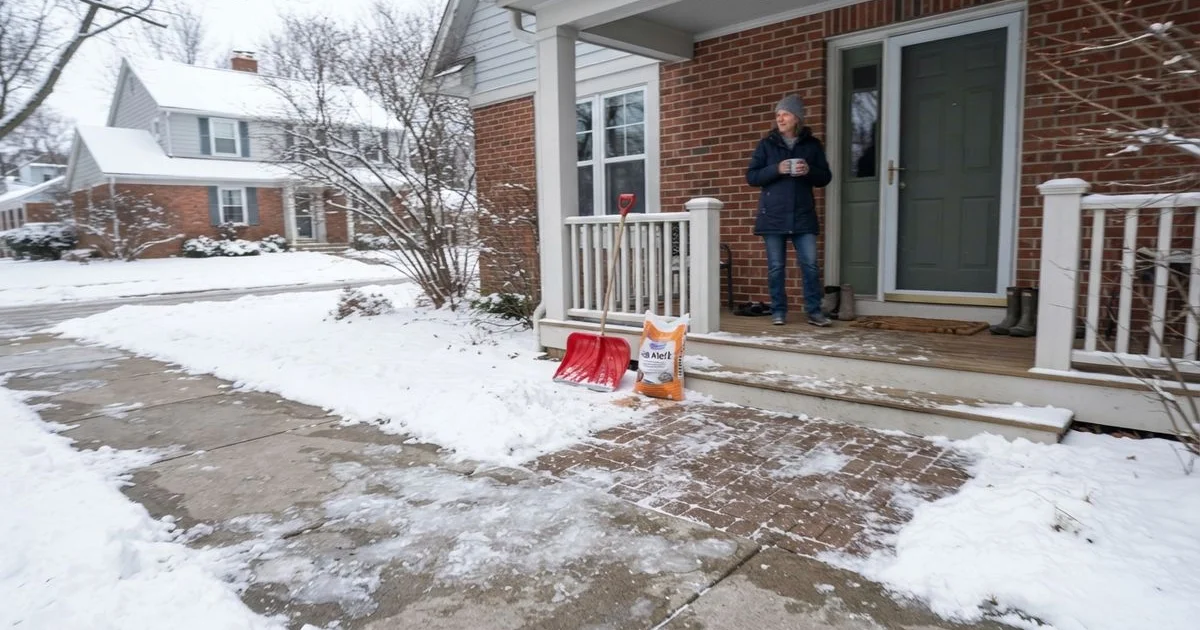
Snow removal liability is one of the more anxiety-inducing questions homeowners search for every winter, and the honest answer is that it depends on your municipality’s bylaws, your insurance policy, and the specific facts if something goes wrong. This guide lays out the general landscape. It is general information, not legal advice.
The general principle
Property owners and occupiers in Ontario have a duty to take reasonable care to keep their property reasonably safe for people who have a legitimate reason to be there, which includes clearing snow and ice within a reasonable time after it accumulates. “Reasonable” is doing a lot of work in that sentence, and it’s assessed case by case, factoring in how much time passed, how severe the hazard was, and whether you knew or should have known about it.
Municipal sidewalk bylaws
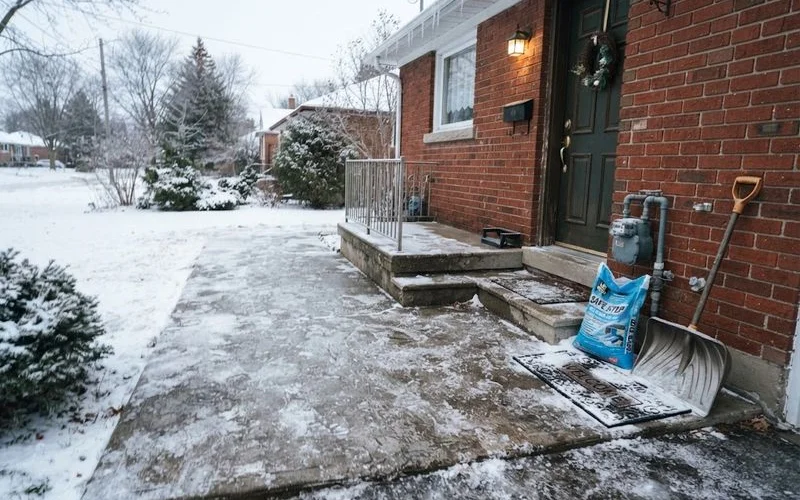
Many Ontario municipalities require homeowners to clear the public sidewalk in front of their property within a set window after snow stops falling, often 12 to 24 hours. Some cities handle sidewalk clearing themselves through municipal crews; others place the obligation squarely on the homeowner and can issue fines for non-compliance. This is separate from your driveway and walkway, which are your responsibility regardless of the municipal sidewalk rule.
| Area | Who is typically responsible | Notes |
|---|---|---|
| Your driveway and walkway | Homeowner (or their contractor) | Always your responsibility |
| Public sidewalk in front of your home | Varies by municipality | Check your city’s bylaw |
| Shared or common areas (condos, plazas) | Property management or corporation | Usually contracted separately |
| Rented property | Often the landlord, but leases vary | Check your lease terms |
Delivery drivers, mail carriers, and visitors all count as people with a legitimate reason to be on your property, so the standard of care applies to them just as much as it does to invited guests. A driveway or walkway left icy for days after a storm creates exposure regardless of who ends up slipping on it.
If you hire a snow removal contractor
A contract with a snow removal company should specify what’s covered (driveway, walkway, salting), the response time after snowfall, and ideally reference the contractor’s own liability insurance. Hiring a contractor doesn’t automatically shift all liability away from you as the property owner; it depends on the contract terms and the specific circumstances. Ask to see proof of insurance before signing, and keep a copy of your contract in case a question ever comes up.
What renters and landlords should know
If you rent, snow and ice clearing responsibility is usually spelled out in the lease, and defaults vary by municipality when a lease is silent. Don’t assume either party is automatically responsible; check your lease and, where unclear, your municipality’s rules.
For a multi-unit rental property, a landlord typically retains responsibility for common areas like a shared driveway or entrance walkway, even where individual tenants handle their own unit. If a lease is ambiguous about a single-family rental’s driveway, it’s worth clarifying directly with the landlord in writing before the first snowfall rather than assuming based on general practice, since assumptions on both sides are a common source of disputes once someone actually gets hurt.
A landlord who arranges a seasonal snow removal contract for a rental property, rather than leaving it to a tenant, generally has more consistency and fewer gaps than relying on a tenant to handle it inconsistently, which is worth weighing against the modest added cost.
Practical steps that reduce risk
Clear driveways and walkways promptly after snowfall, apply salt or ice melt to high-traffic areas, and keep a simple log of when you cleared if you’re ever asked. If you hire a contractor, confirm their response time in writing and ask what happens if a storm hits outside business hours. None of this eliminates risk entirely, but it demonstrates the kind of reasonable care that matters if a dispute ever arises.
For help comparing snow removal contractors who carry proper insurance and respond promptly during storms, see the snow removal category for providers serving your area, scored with our published methodology. The full Ontario landscaper directory covers every other category too if winter safety is just one piece of a bigger project.
Common questions
- Am I liable if someone slips on ice on my driveway?
- Potentially, yes, if you failed to take reasonable steps to clear a known hazard within a reasonable time. This is general information, not legal advice; the specifics depend on your situation, so speak with a legal professional or your insurer if you're facing an actual claim.
- Does hiring a snow removal company transfer liability away from me?
- Not automatically. A written contract can outline who is responsible for what, and some contractors carry liability insurance for their own work, but you should confirm this in writing rather than assume it's covered.
- Do Ontario municipalities require homeowners to clear the sidewalk in front of their house?
- Many do, through a municipal bylaw, and some cities offer sidewalk clearing as part of municipal snow removal while others place the obligation on the homeowner. Check your specific municipality's bylaw.
- Does my home insurance cover a slip-and-fall claim from snow or ice?
- Many homeowner policies include liability coverage that can respond to this kind of claim, but coverage varies by policy. Confirm with your insurer rather than assume.