Getting your yard ready for winter: a fall checklist
By Diego Fischer · Updated 2026-06-15
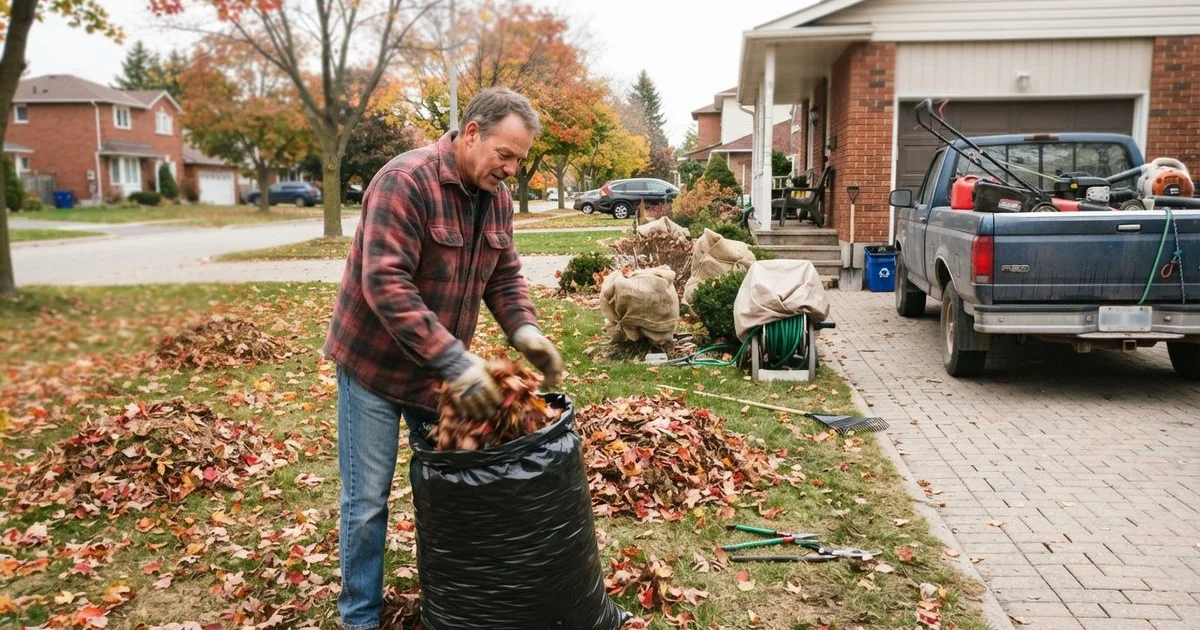
A bit of yard work in fall saves a lot of cleanup and repair in spring, especially in Ontario where the ground freezes hard and stays that way for months. Here’s a practical rundown of what actually matters before winter sets in.
Lawn care
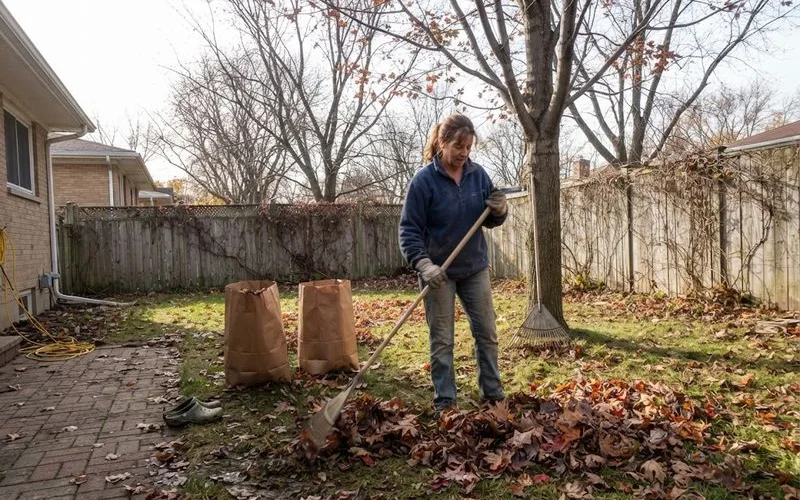
Give the lawn a final mow slightly shorter than your summer height, since grass left too long can mat down under snow and encourage fungal disease, while cutting it too short stresses the roots heading into winter. A fall fertilizer application helps roots store energy for a stronger spring green-up. Clear fallen leaves regularly rather than letting them build into a thick, smothering layer, since a lawn buried under wet leaves all winter often comes back patchy.
Fall is also a good time to check for bare or thin patches and overseed if needed, since cooler temperatures and typically steadier rainfall give new grass seed a better chance to establish than a hot midsummer attempt would.
Garden beds and plants
Cut back dead perennial growth, add a layer of mulch to protect root systems from freeze-thaw cycles, and check whether any newer or wind-exposed shrubs would benefit from a burlap wrap, particularly anything close to a driveway or sidewalk that gets road salt spray. Established, hardy plants usually handle winter fine without extra protection.
Fall is also a reasonable window for planting new trees, shrubs, and spring-blooming bulbs, since cooler temperatures and typically more consistent rainfall give roots a chance to establish before the ground freezes, without the stress of summer heat. If you’ve been considering adding to a garden bed, fall planting can be a better bet than waiting for spring.
| Task | Why it matters | Timing |
|---|---|---|
| Final lawn mow and fall fertilizer | Prevents matting, strengthens roots | Before ground freezes |
| Leaf clearing | Prevents smothering and fungal issues | Ongoing through fall |
| Mulch garden beds | Insulates roots from freeze-thaw | Before hard frost |
| Drain and store hoses, shut off exterior taps | Prevents freeze damage to pipes and fittings | Before first hard freeze |
| Irrigation system shutdown | Prevents cracked pipes and valves | Before first hard freeze |
Irrigation, hoses and outdoor water
Disconnect and drain garden hoses, shut off exterior taps if your home has an interior shutoff valve, and don’t skip the irrigation system shutdown if you have an underground sprinkler system. Water left in lines over winter is one of the most common and preventable causes of spring repair bills.
If you use rain barrels, drain and store or flip them before a hard freeze too, since a barrel left full can crack from the ice expanding inside, turning a simple oversight into a replacement cost the following spring.
Hardscaping and structures
Sweep debris off patios and walkways so it doesn’t trap moisture against the surface all winter, and check that any retaining wall drainage is clear of leaves and debris before heavy fall rain and eventual snowmelt need somewhere to go.
If you have outdoor furniture, cushions, or a barbecue, fall is also the time to clean and store what you can, since equipment left exposed to freeze-thaw cycles and salt-laden winter air tends to wear out faster than pieces put away for the season. A quick rinse and full dry before storage goes a long way toward keeping cushions and covers usable for another season.
Building a simple fall timeline
Most of this doesn’t need to happen in a single weekend. Spreading leaf clearing across several weeks as trees drop, then handling the final mow, mulch, and shutdown tasks closer to the first hard freeze warning, is more manageable than trying to do everything at once on the first cold Saturday of the season.
If you’d rather hand this off, many lawn care providers offer a fall cleanup package covering leaf removal, a final mow, and bed cleanup in one visit. To compare providers in your area, see the lawn care and maintenance category, scored using our methodology, or browse the full Ontario landscaper directory for other seasonal services.
Common questions
- What's the most important fall lawn care task before winter?
- A final mow at the right height (shorter than summer, but not scalped) and a fall fertilizer application tend to matter most for how the lawn comes back in spring. Skipping the final cut too long can lead to matting and disease under snow cover.
- When should I stop watering my lawn and garden in fall?
- Generally once regular rainfall picks up and growth slows, though a deep watering before the ground freezes can help newly planted or stressed plants. Timing shifts year to year with weather.
- Do I need to wrap or protect shrubs before winter?
- Some shrubs, particularly newer plantings or varieties sensitive to wind and salt spray near a driveway, benefit from burlap wrapping or a windbreak. Established, hardy varieties often don't need it.
- What happens if I skip fall cleanup entirely?
- Leaves and debris left matted on the lawn over winter can smother grass and encourage fungal issues, and un-drained hoses or irrigation lines risk freeze damage. A skipped fall isn't catastrophic, but it usually means more cleanup and repair work in spring.
Related on this site
- Browse lawn care & maintenance providers
- Best lawn care & maintenance in Ontario →
- What lawn care and maintenance costs in Ontario
- Lawn chemical and pesticide safety rules in Ontario
- Irrigation system spring startup and fall shutdown, explained
- Landscaping before selling your house in Ontario
- All guides →